Tuesday, 6 January 2026 10:58:00 Author Andrii Chernitskiy
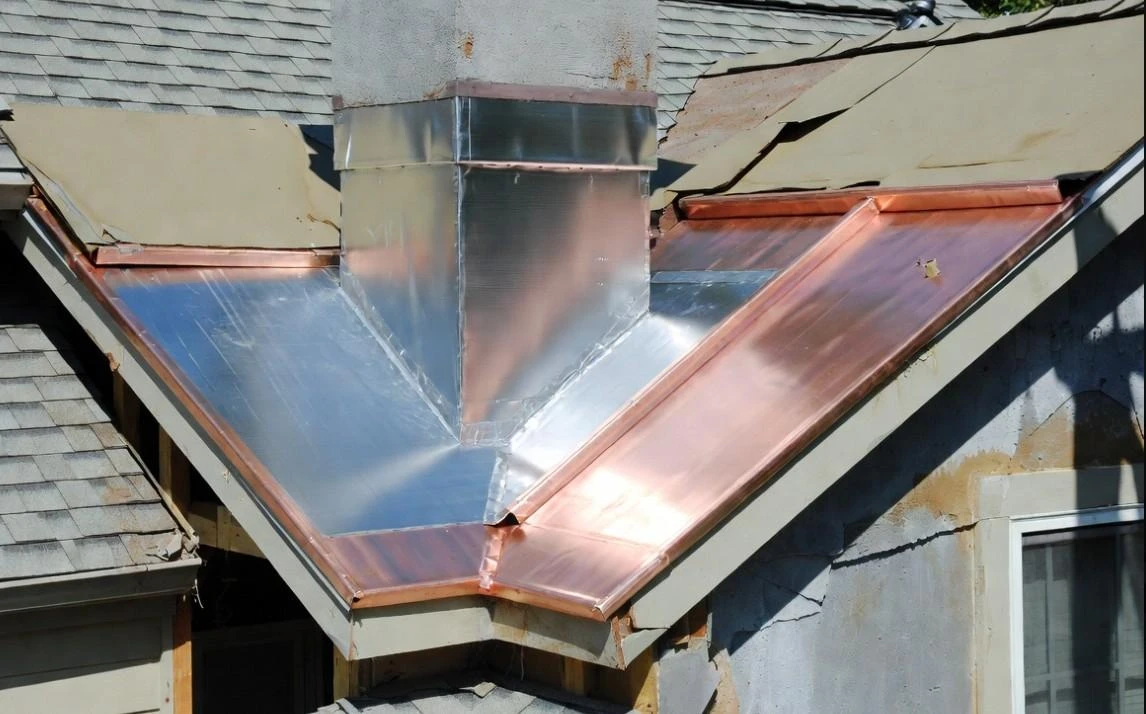
What is roof flashing? Knowing more about this important roofing component is crucial for anyone who would like their roof to be durable and watertight. Roof flashing is basically a protective material, which is thin, placed on susceptible areas where water is most prone to entry.
A functional flashing roof system helps protect roofing from water, which otherwise would be undetected until major repairs become essential. For every flashing on a house roof, this protective function happens unnoticed, shielding crucial elements such as the structure, insulation, and interior from water.
For residential as well as property owners with smaller properties, flashing is more than a mere aesthetic improvement. It is a fundamental component of a property’s defenses as it affects the lifespan of a roof.
Homeowners have often wondered: What is roof flashing, and how does it really work? Roof flashing is made of corrosion-resistant materials molded together specifically to cover the intersection of roofs and vertical surfaces. Roofing flashing directs water or melted snow runoff towards drainage areas to prevent water from dripping between the joints of the roof tiles.
A flashing roof system shields areas that are invariably exposed to constant movement and stress, such as roof valleys, chimneys, skylight installations, and vent pipes. Roofs that lack flashing are sure sources of failure since these areas are predisposed to vulnerabilities that result in the degradation of waterproofing integrity.
One question often pondered by homeowners is “What is the flashing on a roof and its most common types?” In fact, what constitutes roof flashing and its usage is multifaceted and depends entirely on the type of roof structure and problem areas. There are different types of roof flashing profiles used for specific purposes.
Used in a layered form around shingles, self-adjusting flashing accommodates this movement, thereby preventing the dripping of water around the siding.
Also referred to as apron flashing, this type of solution offers protection against leakage at horizontal joints and functions together with counter flashing for increased protection.
Positioned at the edges of the rooftop, drip edges direct the flow of water away from fascia boards.
The use of appropriate flashing helps minimize reliance on sealants and enhances roof leak prevention.
To install flashing properly, one has to measure everything accurately, fasten it securely, and integrate it perfectly with roofing materials.
Small repairs can be undertaken with DIY flashing installation, provided safety protocols are observed, but complex layouts are done better by the professionals.
Roof edges, chimneys, and skylights are jobs that require experience to ensure a watertight layering. Regular inspection and prompt repairs will extend the average lifespan of flashings and minimize disruption.
|
Flashing Type |
Common Material |
Average Lifespan |
|
Step Flashing |
Aluminum |
20–30 years |
|
Chimney Flashing |
Copper |
50+ years |
|
Drip Edge |
Galvanized Steel |
25–35 years |
Key Features and Benefits
Flashing does not belong to the same category as sealants or membranes because it is mechanical water redirection as opposed to surface coverage. Sealants fail more quickly due to UV exposure, and membranes require perfect adhesion. When integrated with routine inspection, flashing can deliver long-term reliability. For broader repair insights, review professional guidance on roof repair to understand how flashing integrates into comprehensive roof protection strategies.
Conclusion
One of the most common and most overlooked elements of a good roof is roof flashing. An effectively designed roof flashing will protect your investment and contribute to efficient drainage of the roof. To help with your next investment and home renovation, the best place to go is the official UBrothers Construction website.
FAQ
Why is roof flashing important for homes?
Roof flashing helps shield the vulnerable joints from the effects of water.
What are the most common materials used for flashing?
Aluminum, copper, and galvanized steel are the most used choices.
Can I install roof flashing myself safely?
While simple repairs could be undertaken, intricate installation jobs are best left to experts.

Free online quote in minutes — or talk to a project manager today.