Tuesday, 3 June 2025 08:53:53 Author Andrii Chernitskiy
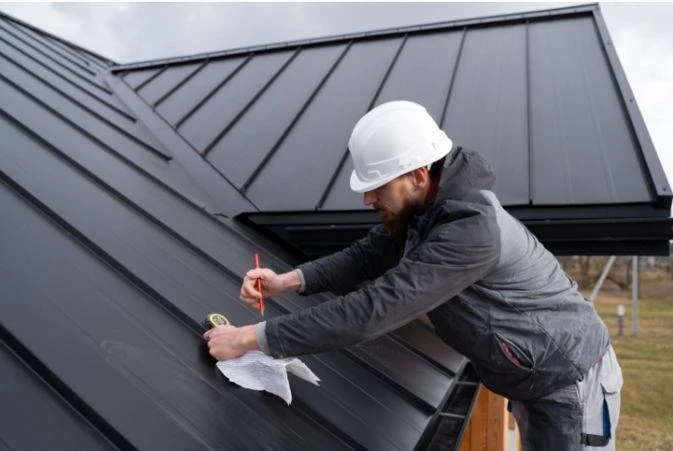
Your roof's shingles are vital for keeping your house secure from the weather. The shingles on your roof overlap to form the outside layer, which protects your house from wind, rain, snow, and direct sunshine. With time, the shingles may wear out or break, which can cause leaks in the future and expensive damage to the building's structure if they are not corrected.
Learning how to repair roof shingles is a crucial part of keeping your property in good shape. Finding loose or broken shingles and putting them back to their intended function is part of fixing roof shingles. Some homeowners look up to roofing contractors, while others choose to fix little problems themselves. No matter what you choose, it's important to act quickly to avoid significant harm.
Shingles on the roof may get a lot of different kinds of damage. Here is a list of common types of damage and ways to fix them:
Shingles that are cracked: They may be sealed with roofing glue or completely replaced if they are damaged by hail or weathering.
Curled shingles: If shingles curl up or down because of moisture or age, you may soften them with heat and then re-stick them using roofing cement.
Shingles that are missing: Strong winds may blow shingles off the roof, leaving it bare. To stop leaks, replacing the damaged shingles is pivotal.
Granule loss: Shingles that have lost their protective granules are also more likely to be damaged by UV radiation. These should be fixed as needed.
Leaks: How to fix a leak on a shingle roof? Find out where the water is coming in, take off the shingles around it, then put down new shingles and underlayment.
Knowing how to repair roofing shingles gives you the skills to address tiny issues before they turn into big ones, no matter what the situation is.
If you have a strong ladder and some simple equipment, you can fix your shingles. If you want to fix your roof shingles, the first thing you need to do is find the damaged area and get the tools you need: new shingles, roofing nails, a pry bar, a hammer, and roofing cement.
Here's a simple, step-by-step guide on how to replace roof shingles:
Use a pry bar to pull out the broken shingle and take out the nails that are holding it in place.
Make sure the new shingle is fixed correctly, aligning it properly with the existing ones.
Use galvanized roof nails to hold it in place beneath the shingle that is higher than it.
To make it watertight, use roofing cement to cover the edges.
To hide the nail heads, press down on the top shingle.
If you do this carefully, it will fix your roof without the need for a professional to repair it right away. But if the damage is severe or you don't feel safe on the roof, it's preferable to call a contractor.
Fixing damage right away offers benefits that last a long time. First, early intervention helps to extend the life of shingles, which saves homeowners money on replacing the whole roof. Repairing shingles also makes them last longer, so they may work well for decades.
Timely shingle repair prevents leaks and mold development inside.
Preventing air leaks keeps energy use low.
Protecting home equity is possible by keeping the roof in good shape.
Finally, learning how to repair roof shingles is about keeping it from happening again and feeling safe after fixing it.

Free online quote in minutes — or talk to a project manager today.