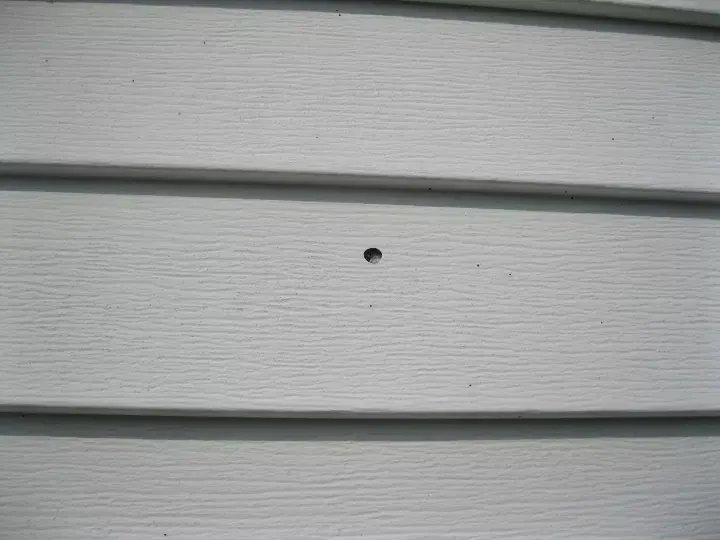
Your home shields you from harsh weather, but it is easy to overlook the exterior until a problem appears. Even a small hole in your vinyl siding can lead to structural troubles over time. You can avoid serious damage by taking care of minor siding repairs as soon as you notice them.
During a cold storm in Boston, you want your home completely sealed against rain, snow, and wind. A tiny crack or puncture in an exterior panel compromises that seal. Knowing how to repair a hole in vinyl siding keeps water out and protects your exterior walls from hidden decay.
Keeping your siding in good shape requires recognizing different types of damage and using the right repair method for each size. Small punctures, medium impact holes, and large breaks all need specific techniques. Understanding how to fix holes of any size keeps your house looking great and prevents expensive repairs later on.
Fix small gaps in Boston siding right away to prevent worse damage. Small holes usually come from flying yard debris or minor impacts. Clean the area around the hole, then gather patching compound and a putty knife. Spread the compound evenly across the hole, smooth the surface, and let it cure completely. Once dry, apply a light coat of matching exterior paint so the patch blends seamlessly into the panel while restoring its protective seal.
Medium holes caused by storm debris require a dedicated patch. A vinyl siding repair kit contains the basic materials needed for this fix.
Start by cleaning the damaged surface to remove dirt and loose pieces. Cut a vinyl patch from your kit so it is slightly larger than the opening. Apply adhesive to the back of the patch, press it firmly over the hole, and hold it until it bonds securely. After the glue cures, paint the patch to match the exact shade of your panel. This seals the opening and reinforces the wall structure.
For larger breaks, use a lever tool to unhook the damaged panel section without cracking surrounding pieces. Cut a replacement siding piece slightly larger than the opening. Apply a strong bonding agent across the back of the replacement section, then slide it firmly into place over the break. Fasten the top edge with screws hidden beneath the overlapping panel above it. Paint the replacement area to match the original color so your wall looks clean and unified.
Inspect your exterior walls regularly and fix problems promptly. Small punctures or hairline cracks might seem purely cosmetic at first, but over time they lead to serious structural issues. Unsealed gaps let rain and moisture penetrate behind the panels, damaging your sheath boards and insulation.
Openings also allow insects and rodents to creep inside your house. Delaying simple fixes often turns a quick patch job into a full wall panel replacement, resulting in higher expenses. Benjamin Franklin noted that an ounce of prevention is worth a pound of cure. Fixing holes in your vinyl siding as soon as they appear protects your home and saves you money in the long run.

Ask AI about this article:
Towns we serve & Cases45 towns
Every town below has its own page: local projects, typical prices and the crew that works there.
Free online quote in minutes, or talk to a project manager today.