Monday, 25 September 2023 05:17:00 Author Andrii Chernitskiy
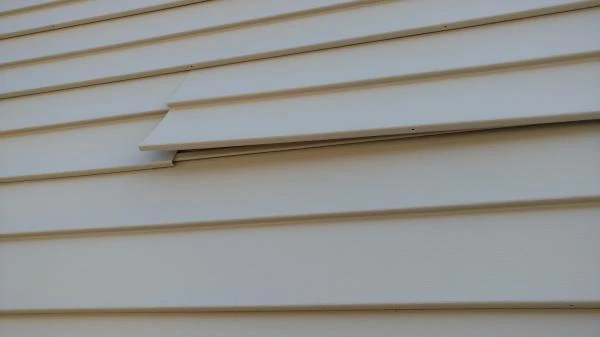
Our home's exterior doesn't boil down to mere aesthetics. It is more than just a decorative solution for your outward walls. Damaged, cracked, and loosed panels compromise not only beauty but also how the entire house functions. This is why it is pivotal to learn how to fix loose siding by applying a DIY strategy to avoid unwelcome troubles that may add up really quickly.
Loose panels are like a silent intruder, undermining the home's integrity. The untrained eye usually cannot detect signs of deterioration. The troubles are usually camouflaged, so inspection is vital. So let's find out why loose cladding is not just an eyesore but a threat to the entire building and how to recover it.
Thus, the structural integrity of your home is at risk, and costly repairs may be necessary when the panels are not properly fastened. Problems like mold, water damage, and inadequate insulation can get worse fast. The knowledge of how to fix siding on a house can aid you in keeping your house well-functioning.
Loose vinyl siding hides potential dangers, like defective insulation or the collapse of structures that will cost a fortune to repair. Thus, let's analyze the dangers, learn how to measure the damage, and find out some helpful hints.
The Unseen Dangers of Frayed Cladding
Your home is more susceptible to weather damage when the siding is unfastened. Inadequate insulation is a big problem since it lets draughts in and makes the HVAC systems work harder than needed, which, in turn, increases the expenditures.
Mold, mildew, and rot can develop when water seeps behind panels through holes in loose sheathing. It may be years before these problems become noticeable, but when they do, the consequences will be severe and expensive.
Diagnosing the Level of Damage
Start by visually inspecting your siding for any signs of damage, such as cracks or buckling. Detect any locations that may be loose by applying light pressure. Check the edges and corners; they tend to be trouble spots.
Look Around the Inside of Your House
Look for discoloration, a musty smell, or flaking paint as indicators of water damage. These could be signs of water seepage into your home due to siding that isn't properly fastened.
After you've located the trouble spots, fix the loose siding expertly with the help of proven tips:
When DIY Isn't Enough
While repairing and caring skills can be empowering, there are scenarios when it's wise to enlist expert help. Thus, DIY may feel overwhelming or even beyond your skills. It means that it is better to use the benefits of hiring a vetted crew.
Exactness and Reliability
Homeowners might not be able to match the level of accuracy. However, professionals are capable of doing that. Do-it-yourself inspections could overlook some hidden troubles but experts guarantee thorough resolutions for every issue.
Investment Strategy
There is more to fixing siding than just replacing panels. To do this, you must be familiar with the costs of materials, labor, and any hidden fees. To help with financial planning and to avoid the costly mistakes that typically accompany do-it-yourself projects, professionals can offer accurate cost estimates.
Future Outcomes
If you want your siding to last and look good for years to come, it's worth you to pay professionals to fix it instead of tackling small problems yourself. Warranties offered by professional installers give customers peace of mind.
Is It Time for an Entire Siding Overhaul
Your home's longevity and charm will depend on your decision between repairs and replacement. Although temporary fixing may appear to be more cost-optimized, extensive damage may necessitate a total reconstruction.
Reinforcing the Framework: Fragile siding can hide structural problems. A complete revamp is necessary to eliminate all the troubles.
Your siding repair or replacement options should be carefully considered in light of the extent of the damage and your long-term goals for the property. In comparison to a full replacement, repairs are quick solutions.

Free online quote in minutes — or talk to a project manager today.