Tuesday, 3 June 2025 05:32:45 Author Andrii Chernitskiy
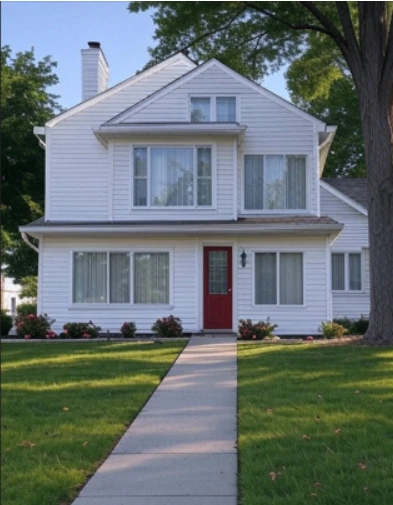
Homeowners are more often choosing vinyl siding because it looks good, is easy to install, and is cheap. But how long does vinyl siding last? Responsible homeowners have to consider it while they're planning a home improvement project, as well as think about how to maintain their property in good shape. Vinyl siding usually lasts between 20 and 40 years, and with care, it may last much longer.
One reason people like it so much is that it lasts a long time. Vinyl siding is better at keeping out moisture, bugs, and UV rays than a lot of other materials. The quality of the installation, the maintenance, and the temperature all have a role in how long it lasts. Also, most manufacturers provide warranties on their items that last. This is very strong evidence that they believe in their product.
The answer to the question of “How long does vinyl siding last?” depends on how well it is cared for and the weather conditions it is exposed to throughout the years. Let's look more closely at what affects this length of time.
Quality of installation
To get the longest life out of it, a qualified installer must make sure that the parts are fastened, aligned, and sealed correctly.
Exposure to the weather and climate
Siding might wear out quicker if it is exposed to very cold winters, very hot temperatures, or storms. Vinyl will endure longer in places with mild weather.
Material grade
Vinyl siding that is thicker and of a better grade will usually last longer and be less likely to become damaged.
Sun exposure
UV rays may make things fade and become fragile over time. Siding on the side of a home that gets a lot of sun may wear out faster.
Controlling moisture
If moisture regions or drainage areas are not adequately cared for, they might cause warping or mold.
Cleaning and checking things often are vital vinyl siding maintenance tips for keeping it in good shape. If you take care of your vinyl siding properly, it may last for years. Considering all of these things gives homeowners a good idea of “how long does vinyl siding last on a house,” and gives them the knowledge they need to make wise maintenance choices.
Knowing how to take care of siding is just as vital as knowing when to replace vinyl siding. These are clear signs that your siding needs to be replaced:
Fading and discoloration: UV deterioration may fade the color of your siding and leave marks on old materials.
Cracks or warping: Such issues let water in, which may damage the house's structure.
Mold or mildew: It is a common symptom of water damage that isn't obvious.
Higher energy bills: Damaged siding makes insulation less effective, which leads to thermal inefficiency.
In addition, panels that are loose or missing may hurt both the look and the structural protection.
If you don't fix any of these problems, they might make your vinyl siding last less long, while replacing the damaged panels or siding might make things work better and look better.
In short, how long does vinyl siding last? It depends on a lot of things, but homeowners may expect decades of trouble-free use if they choose good materials, hire a professional to install them, and take care of them properly. If you keep these important things in mind while choosing new siding, your house will be safe, attractive, and energy-efficient for many years to come.

Free online quote in minutes — or talk to a project manager today.