Wednesday, 5 February 2025 07:51:00 Author Andrii Chernitskiy
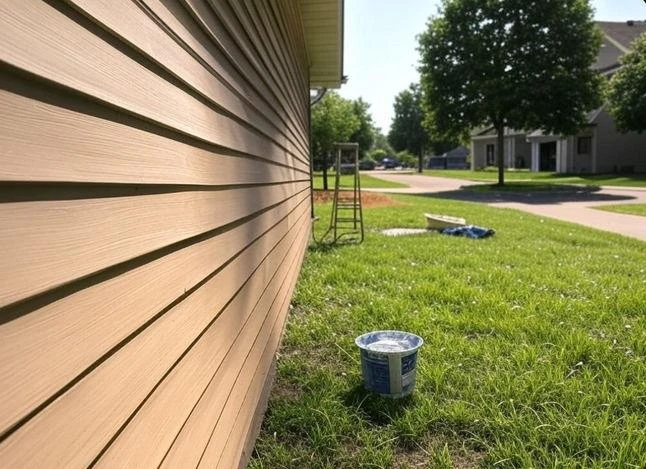
Because of its longevity and low care needs, vinyl siding is now among the most often utilized exterior options available to homes. From its beginning of use, it has offered a reasonably priced and strong substitute for conventional building materials such as brick and wood. Changing temperatures, rain, and sunshine may, however, fade vinyl siding or reduce its initial attractiveness.
Painting vinyl siding is often a sensible alternative among many maintenance techniques for improving the look of a house without making a commitment to a complete siding replacement. While vinyl siding is meant to keep its color, painting gives homeowners a reasonably priced approach to updating their exteriors or fixing stains. So can vinyl siding be painted successfully? Indeed, the answer is yes—but only if done well. Everything you need to know to have a long-lasting, professional-quality finish will be walked through with this instruction.
Painting over vinyl siding is feasible and, under the correct circumstances, may provide outstanding results. Many homeowners decide to paint their siding to modernize the front without having to pay for a siding repair. Additionally restoring fading panels with a new coat of paint can help the house seem clean and polished. Still, it's important to review the manufacturer's recommendations first. Once the material is coated, some siding warranties void themselves, which may affect future repair or maintenance claims.
The process of painting vinyl siding should begin with a careful evaluation of key elements to guarantee success.
Siding Grade
Painting won't fix the fundamental problems if the siding is old, damaged, or twisted. Before applying any paint, structural damage should be fixed to provide a smooth and equal finish.
Climate and Weather
Painting in very high humidity, severe heat, or cold will hinder appropriate paint adherence. Mild temperatures with low humidity and little wind are ideal conditions for painting siding so that the paint dries uniformly free from bubbles or streaks.
Manufacturer's Guidelines
Many vinyl siding companies provide particular suggestions on color choice. Some could include approved colors or call for certain paint brands to maintain warranty coverage. Early review of these specifics helps avoid such problems later on.
A great, long-lasting finish on vinyl siding depends on proper preparation. Cleaning the surface completely first will help eliminate mildew, mold, and grime. One may do this with a pressure washer or with a mix of mild detergent and water. Before painting, letting the siding dry completely helps avoid moisture trapped under the fresh layer.
Furthermore important is selecting the correct paint. The best paint for vinyl siding is premium acrylic latex as it stretches with temperature fluctuations and adheres well, therefore avoiding cracking or peeling. Some surfaces can need a primer, particularly if the current color is much darker than the new one. Applying thin, uniform applications using a paint sprayer or roller will assist in creating a professional, flawless appearance.
Ignoring these crucial stages could cause problems such as bubbling, peeling, or uneven finish, therefore shortening the lifetime of the paintwork.
The whole look of a house is much influenced by the vinyl siding colors. Because of their classic appeal and adaptability, soft grays, subdued blues, and earth tones have become somewhat common options. While improving energy efficiency, neutral colors—such as beige or off-white—complement many architectural forms. White is still a popular choice as it presents a neat, clean appearance that complements many trim colors.
For people who are contemplating certain manufacturers, knowing what colors go best with James Hardie will help one get an important understanding of colors that fit such style. The correct color will improve the curb appeal of a house and guarantee a contemporary and coherent aspect.
Many errors might impair the lifetime and quality of a paint application. One of the most often occurring mistakes is choosing the incorrect kind of paint.
Additionally very important are the weather conditions. Painting on too hot, cold, or humid days could impede appropriate adherence and provide an uneven finish. To enable the paint to cure properly, the optimal painting conditions consist of temperate temperatures with low humidity.
Another often occurring problem is skipping surface preparation. Left on the siding, dirt and grime may cause the paint to adhere differently, resulting in early peeling.
Many elements affect the lifetime of a vinyl siding painting process, including upkeep, paint quality, and climate. A nicely done paint job usually lasts 5 to 10 years. Paint may fade or disintegrate more rapidly in areas experiencing harsh weather, such as high light or frequent storms. Thus, through the history of vinyl siding, it has become obvious that the lifetime of the finish may be increased by using UV-protected, premium paint.
Finally
Can you paint vinyl siding? The answer is yes, and it's a rather affordable approach to update the front of a house. Painting siding may improve curb appeal and prolong the life of the current panels with the correct preparation, premium products, and cautious application.
Choosing the right paint for vinyl siding, avoiding frequent errors, and selecting suitable colors all help provide a good finish. Following professional standards guarantees a professional-quality outcome that lasts whether you are experimenting with a new color scheme or replacing fading paneling.

Free online quote in minutes — or talk to a project manager today.