Monday, 30 June 2025 05:21:00 Author Andrii Chernitskiy
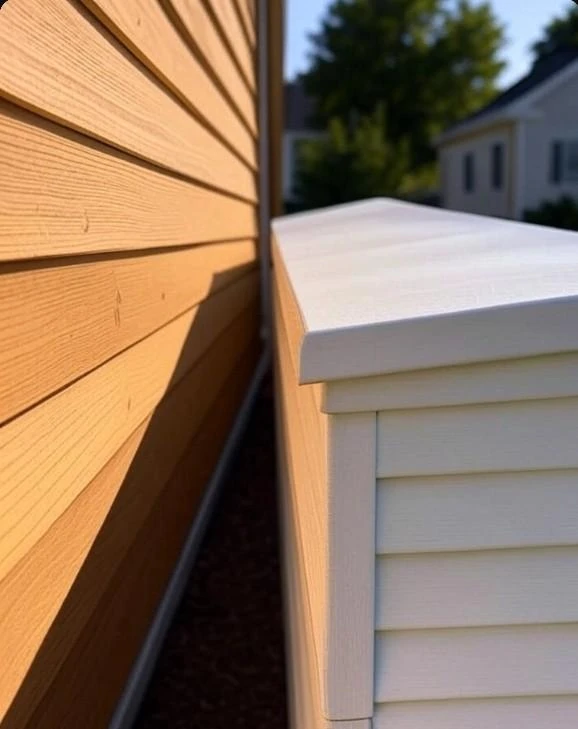
Is wood siding better than vinyl? It is a question that homeowners ask while making decisions to restore the exterior of their homes. Although the two options have different benefits, the answer is typically aligned with long-term value, maintenance, and performance. Let’s compare wood siding vs vinyl siding to allow you to make an informed and intelligent decision.
Before comparing, let's first learn what each material can provide.
Wood siding is a long-standing outside option that has natural beauty and classic charm. It has existed for centuries and may be produced from various species of wood, such as cedar, pine, or redwood. It ranges from shingles to shakes to even clapboard siding, which creates a horizontal, overlapping look that's classic and showy.
Vinyl siding, on the other hand, is newer and synthetic, made from durable PVC (polyvinyl chloride). They're available in a variety of hues and textures, including patterns that mimic natural wood. It's the preferred choice in budget-friendly and long-lasting home exteriors.
However, homeowners need to ask beyond looks when deciding “Is wood siding better than vinyl?”.
Let's take a closer look at how these materials can be compared in a variety of important categories:
Curb Appeal
Wood panels inherently excel with their warm, grainy appearance. For homeowners who desire the feel or appearance of a country or classic home, wood cannot be surpassed for its beauty. Vinyl cladding has come a long way in mimicking that same beauty with high-definition wood-grain texture, with an equally attractive appeal without the vulnerability to the elements.
Durability
Vinyl is resistant to water, pests, and rot. It won't readily warp or crack and is very resistant to harsh climates. Wood, while strong, will rot if not sealed and cared for. Weather, insects, and humidity can readily destroy natural wood.
Maintenance
Wood requires occasional painting or staining every couple of years in order to prevent it from weathering and to appear at its best. It also needs to be monitored regularly for such pests as termites. Vinyl siding, conversely, is virtually maintenance-free, such as the occasional soap-and-water rinse can keep it clean.
Below are some excellent reasons why vinyl siding is better than wood for many homeowners:
Low Maintenance
Vinyl has no need for painting, sealing, or upkeep. Alone, this saves thousands in the long run, especially for larger homes.
Cost-Effective
Both the upfront labor and long-term upkeep of vinyl are usually less expensive than wood. It is also easier to install, which can contribute to reduced installation fees.
Energy Efficiency
Insulated vinyl panels offer a range of advantages in indoor temperature control, energy conservation, and bill savings for heating and cooling—something wooden siding cannot accomplish on its own.
Design Flexibility
With today's manufacturing technology, vinyl can easily simulate the look of wood grain, for example, clapboard siding, so that homeowners can achieve the look of wood without having to pay for the maintenance.
While vinyl offers numerous benefits, choosing between these two materials isn’t always black and white. Here are some important things to think about before making your choice:
Budget: Vinyl is hard to beat when you require something that can stand the test of time and doesn't need a great deal of money in order to keep it up. Wood may be the better option, but it costs more to keep up.
Environmental Impact: Wood, if ethically harvested and sustainably sourced, can prove to be a positive force on the environment. Vinyl is long-lasting, but it's an oil byproduct, and its recyclability varies.
Maintenance Requirements: Do you have the willingness to undertake routine painting, sealing, and checking? If not, vinyl's low-maintenance advantage is the definite winner.
Knowing the complete picture of wood siding vs vinyl siding enables homeowners to make a fair and educated decision according to their preferences and needs.
Conclusion
So, then, is wood siding better than vinyl? For homeowners overall, vinyl offers greater longevity, less upkeep, and more cost savings in the long run. Wood can be attractive, but vinyl is still the more utilitarian and adaptable choice for modern homes.

Free online quote in minutes — or talk to a project manager today.