Friday, 3 October 2025 09:22:47 Author Andrii Chernitskiy
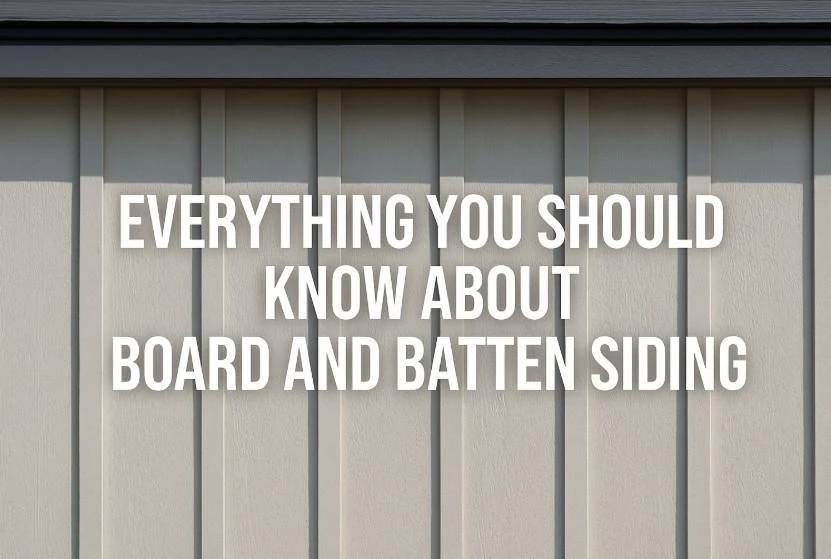
Board and batten siding has been popular during the past several years, and continues to impress home buyers who were searching for a combination of rustic appeal and contemporary sophistication. Vertical in nature, the board and batten option of siding resembles classic barn-like designs but seamlessly fits into contemporary house architecture. Most current contractors pair it with Timberline HD shingles or Mastic Ovation siding to create the high-end, cohesive look that combines style and tradition. For accent walls or the entire exterior, board and batten is both functional and aesthetically pleasing, and thus still an effective solution in home design today.
Effectively, board and batten siding is a surface vertical siding made up of wide boards with the battens, which are thin pieces, closing the seams. It was most typically utilized in early American buildings in shed siding, barn siding, and simple country dwellings. Its simplicity enabled builders to create resilient exteriors using found wood.
In addition to being rural in origin, wood board and batten siding is dynamic in appearance, with the vertical boards drawing the eye up and giving an illusion of height and sophistication. Over the years, the type of styling has changed, still maintaining its origins in the past as it progresses to suit the tastes of today.
Board and batten style siding has gone from being more of a nod to old barns to being a mainstream darling of new home design. The siding is used by homeowners and architects on a regular basis in creative ways to add texture, depth, and visual interest to the exterior of the home. Some of the most widespread applications in new uses are:
Full-out exterior cover: Encasing the house from head to toe in board and batten siding for a vintage look that never goes out of style.
Accent walls: Accentuating bold features, such as front facades, entryways, or gables, to make a dramatic statement.
Second-story revamps: Trimming second stories with vertical siding to give them height and architectural flair.
Mixed-material designs: Mixing board and batten siding with brick, stone, or metal for dramatic contrasts.
Mixed battens designs: Using narrow, wide, or alternating battens to create unique textures and optical effects.
When paired with free materials like Timberline HD shingles, the mixture of textures yields an old-fashioned yet modern appearance. Used on a farmhouse, cottage, or inner-city infill home, the technique balances tradition and state-of-the-art style.
The cost of board and batten siding is fairly broad-based on home size, design, materials, and labor. Complete exterior jobs, naturally, use more battens and boards, and therefore, material and labor are more expensive. Intricate designs, specialty battens, or multi-material programs drive costs up. But for cost-conscious homeowners, focusing on notable locations, such as the front facade or a single accent wall, maintains visual impact without overall cost.
In the event of project planning, a comparison between wood board and batten siding and wood siding alternatives like vinyl, fiber cement, engineered wood, or steel is beneficial. Each contains its weakness and strength, thus the necessity of weighing the trade-offs against the way it appears, the amount of maintenance it needs, and how long it will last.
Material is the primary factor affecting the siding's durability. Wood does have its own natural, warm beauty, but needs to be often sealed, stained, or painted in order to keep out the moisture, bugs, and warping.
LP SmartSide board and batten provides an even more durable option, combining the aesthetic appeal of wood with engineered durability and lower maintenance needs. Fiber cement, steel, and vinyl products also offer a broad range of possibilities, with impressive durability and weather, fire, and rot resistance. While none of these are likely to match the genuine warmth of real wood, they excel in use and investment in the long run.
Choosing a suitable material is usually a compromise between personal taste, regional climate, and the need to maintain the siding in good shape. Steel or fiber cement, for example, can resist more extreme weathering with minimal upkeep, but natural wood is still ideal for the individual who desires a traditional look and feel and the natural ambiance that only wood can provide.
Selecting board and batten style is not about selecting the materials only; it is about achieving balance between the siding and the look of your house. Vertical siding makes your house appear taller, so it is best for one-story homes or to highlight a second floor. To achieve a harmonious look, most designers combine board and batten with other contrasting elements such as stone foundations, brick fronts, or metal roofs to achieve visual harmony.
Consider the battens' thickness in relation to the boards and house. Thin battens work on small houses or as subtle accents, but thick battens create a dramatic effect on large houses or even across entire fronts. Color choice is also important; old-world character comes from traditional white or wood grain tones, but pale grays and dark, deep colors create a modern, dramatic appearance. By skillfully integrating board and batten siding into the exterior of your residence, you create an ageless yet modern look.
Board and batten design siding is a timeless style with its origins in rural areas, now fully embraced in modern home construction. Its charm and sharp vertical lines make it the perfect pick for whole-house exterior siding or highlighting architectural features in innovative ways, so owners can highlight building design components in unique ways.

Free online quote in minutes — or talk to a project manager today.