Friday, 1 August 2025 04:31:00 Author Andrii Chernitskiy
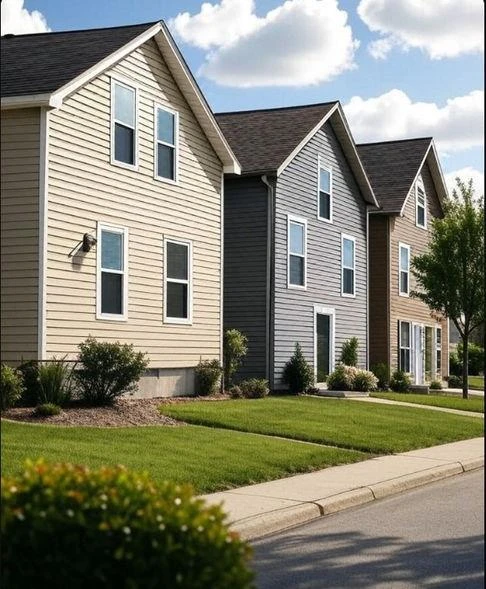
Knowing how to choose a siding color is one of the most important things you can do to change the appearance of your home. The appropriate color does more than just cover the surface. It shows off your individuality, makes the outside of your house seem better, and makes it more appealing from the street.
The color of your siding sets the mood for your home’s exterior and the whole property, whether you want it to seem classic or contemporary. You can make your house appear both planned and welcoming by carefully choosing a color scheme that works with the architecture and surroundings of your home.
There are a lot of different colors of vinyl siding available now to complement different styles and appearances. If you want a look that will never go out of style, beige, gray, white, and taupe are all terrific possibilities. These hues look sophisticated and are easy to change with changing trends and seasonal landscaping.
On the other hand, darker colors like navy, forest, or charcoal gray have become more fashionable. These dark hues are sophisticated and deep, making them perfect for anyone who desires a contemporary, eye-catching front. Warm, earthy colors like clay, sand, and terracotta give off an inviting, earthy vibe that people in the suburbs or countryside usually like.
It's not only about how to choose a siding color for your general visual needs; it's also about how the color will appear in the sun, how it will match the roof, and how it will blend in with the rest of the neighborhood.
To have a cohesive and visually striking exterior, apply these established design principles:
Match the color of your roof
Let roofs be your guide since they are a permanent part of the design. Gray and blue roofs look well with cool hues, whereas cream, brown, or olive shingles look good with warm colors.
Use trim to make things stand out
Trim, shutters, and doors should either match or strongly contrast your siding to give it more depth and character. White trim looks well with practically any color and creates a clean, sharp effect.
Find a balance between nature and architecture
Think about your natural landscape and architectural era. A craftsman home in a wooded region may look great with natural green siding, while a colonial house in a sunny suburb might look great with slate blue siding.
Test in the sun
Colors look different at various times of the day. Try samples on all sides of the house to see how the sun hits them.
Think about how it will look in the long run
Your siding will remain the same even when trends shift. Pick a color that you will still like in five, ten, or fifteen years. It's usually safer to go with timeless over fashionable.
The wisdom in how to choose a siding color is about the need to consider more than just your own taste. You should also think about how it will affect the environment. Here are the most important things that every homeowner should think about:
Style and architecture of the home
Some tones of color work well with certain architectural designs. A Victorian can handle a bolder color scheme, while a Cape Cod likes softer, more traditional colors.
Value when sold
If you want to sell quickly, choose wide appeal. Neutral color choices are appealing to many prospective purchasers and may significantly improve your home's marketability.
Texture and finish of the material
The way color looks on slick vinyl and textured composite may be quite different. Some colors make grain features stand out more, while others make them less noticeable.
When picking a siding color, you need to think about both how it looks and how it works. You can be sure you'll choose the right siding color for your home by taking into account your own taste, the outside influences, the architectural integrity, and the weather.
Picking the right siding color can be hard, but if you plan ahead and think about it carefully, it can be a fun aspect of upgrading your house. After all, the greatest decision is one that strikes a balance, shows off your style, and will still look good in the years ahead.
Make sure your property leaves a lasting impression by choosing the correct hue.

Free online quote in minutes — or talk to a project manager today.