Thursday, 1 May 2025 09:01:00 Author Andrii Chernitskiy
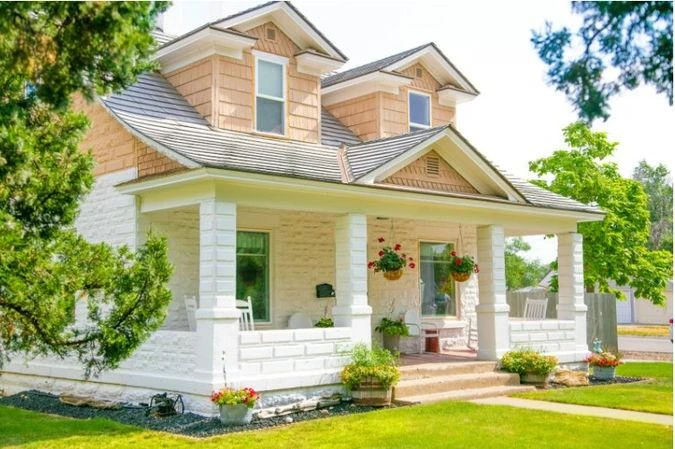
When you think about the first impression your house gives, you're probably thinking of its exterior. That's where house siding comes in. But what is the siding of the house, to be exact? Simply put, siding is the protective material that is put on the exterior walls of your house. Its job is twofold: it shields your house from the weather while also giving it a polished, stylish appearance. Without good siding, your home would be vulnerable to damage and look unfinished. Now that we’ve answered “what is the siding of the house?”, let’s dive into the exciting world of materials and choices!
What types of siding are there? You'll be amazed at the variety. Each material has its own look, pros, and considerations. Let's walk through the most popular ones:
Vinyl remains one of the most popular choices for a reason. It's low cost, low maintenance, and comes in unlimited colors and styles. It can, however, crack in extremely cold climates and fade after some time if it's exposed to direct sunlight.
Wood gives your home a natural, timeless beauty. Cedar, redwood, or pine wood siding provides warmth and character. But it requires regular maintenance like painting or staining to protect it from moisture, insects, and decay.
Light and resistant to rust, aluminum siding is another intelligent choice. It holds up well near the ocean, where the salty air might deteriorate other materials. On the negative side, it dents easily and might not offer the same warm appearance as wood.
Fiber cement offers a great balance of durability and beauty. It can be fashioned to resemble wood, stone, or brick and is also resistant to termites, rot, and fire. While more costly upfront and heavier to put in, its durability makes it well worth the investment.
Stucco, brick, and engineered wood are also among the options when considering what types of siding are there. Each has its own personality and is best used in a particular climate or with a particular style of architecture.
Picking the perfect siding is not simply an issue of selecting your favorite color — it's a thoughtfully considered decision depending on a number of variables. What is the siding of the house that best meets your needs? Consider your regional climate first. For example, fiber cement or stucco works beautifully in hot, dry climates, while vinyl and wood siding work well in moderate climates.
Budget is another big player. Vinyl and aluminum are budget-friendly, while wood and fiber cement might be more expensive up front but repay you with durability and good looks.
Don't forget the influence of appearances, either! Siding colors must coordinate with the overall style of your home. Earth tones work well with traditional houses, while bright and bold colors can make modern architecture really pop.
Lastly, think about maintenance. If you like a natural look and don't have a problem with regular maintenance, wood is perfect. If you'd prefer not to be so involved, vinyl or fiber cement might be more up your alley.
Investing in high-quality siding offers so much more than a simple makeover for your home. First and foremost, premium siding materials provide excellent protection. You’ll enjoy peace of mind knowing your home is safeguarded for decades to come.
Another huge advantage is energy efficiency. Siding acts as an extra layer of insulation, keeping your home cooler in the summer and warmer in the winter, which can cut your utility bills significantly.
Of course, there is also the undeniable impact on curb appeal. High-end siding truly makes your house appear luxurious, and it will nicely set your home apart in your neighborhood. And if you ever decide to sell your house someday, new, high-quality siding can truly boost your resale value.
In short, understanding what is the siding of the house can lead you to make smarter choices that balance beauty, durability, and economic feasibility.

Free online quote in minutes — or talk to a project manager today.