Tuesday, 3 June 2025 08:59:12 Author Andrii Chernitskiy
More and more people are asking what is the most eco-friendly roofing material and why they should choose it. When it comes to an ecologically friendly roof, it's not only about how it looks; it's also about making your house less impactful on the enviroment while getting the most out of it. This means using eco-friendly roofing materials, made in a responsible way..
What is the most eco-friendly roofing material? It usually depends on where the homeowner lives, how much money they have, and what they believe. But everyone has the same goal: to lower carbon emissions, lower energy consumption, and adopt sustainable methods throughout the roofing process. The main idea behind sustainable building is to use materials that can be recycled or that last a long time.
Certain kinds of roofing are better for the environment than others. Here is a look at the eco-friendly roofing materials that are used the most:
Roofing made of metal
Metal roofing is very strong and energy-efficient. It is made from recycled materials and can be recycled again when it is no longer useful. It sends sunlight back outside, which keeps the temperature inside stable and lowers the cost of cooling.
Tiles made of clay and concrete
These tiles are known for being long-lasting and energy-efficient since they are made of natural materials. But they are heavy and may need extra support, increasing the overall roofing cost.
Shingles that have been recycled
Recycled shingles are made from leftover rubber, plastic, or wood fiber and are both contemporary and good for the environment. Recycled shingles are probably like conventional shingles, except they last longer and have less of an effect on the environment.
Green roofs
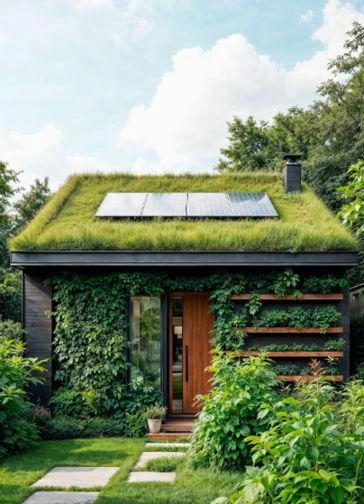
Green roofs with plants on them collect rainwater, keep the heat down, and provide the best insulation. They need maintenance and structural support, but they are a great choice for use in cities.
Shingles made of synthetic materials
Synthetic roofing shingles are created from recycled rubber and plastic and look like slate or wood, but are lighter and better for the environment. They come in a variety of styles and serve a purpose.
All of these materials are seen as the best eco-friendly roof material to some degree. When choosing the best eco-friendly material, you should think about things like how long it will last, how energy-efficient it is, if it can be recycled, and whether it is appropriate for the area.
Choosing a roofing material isn't just about how much it costs and how it looks. Homeowners have to think about how well their home will work with the weather, how much support it needs, and the rules for constructing in their area. An energy-efficient roof may save you a lot of money on utilities over time, so energy efficiency is an essential thing to think about.
Durability is another important thing to think about. A material that lasts a long time means fewer replacements and less trash going to landfills. The style of your roof will also affect how your house appears from the street. Think about how the roof will look with the siding and landscaping.
New roofing systems include ventilation layers, radiation barriers, and reflective coatings that make the eco-friendly materials even better. Putting up these solutions may make your green roof work better and make your house more comfortable.
There are more benefits to installing high-quality, eco-friendly roofing material than just how it looks. They include:
Long-lasting and easy to care for.
Eco-friendly roofs may be made to last for decades with little maintenance.
The insulating and reflecting qualities keep the temperature inside steady, which cuts down on the demand for heating and cooling.
Value of Property Has Gone Up
People who care about sustainability and efficiency are interested in sustainable renovations.
So, what kind of roofing material is best for the environment? It's the one that works best for your house and climate while also being good for the environment.
Homeowners may lower their carbon footprint, roof by roof, by investing in smart, long-lasting solutions.

Free online quote in minutes — or talk to a project manager today.