Wednesday, 5 February 2025 07:44:22 Author Andrii Chernitskiy
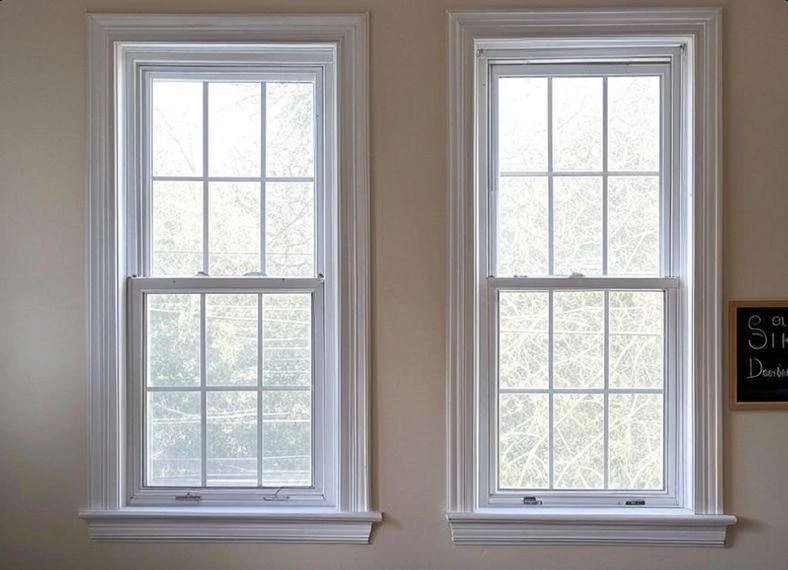
Both appearance and utility depend on your choice of windows for your house. Two of the most often used designs are single-hung and double-hung windows; while their variations greatly affect ventilation, maintenance, and cost. Knowing their unique features will help you choose wisely.
A smart window types comparison ensures that, based on their specific need, homeowners choose the best one. The benefits and drawbacks of both kinds can help understand where each model can be beneficial and in which rooms it is better to avoid installing such windows. Thus, consider factors like temperature, window location, and convenience of use before choosing a final pick. Only the right selection approach will help you achieve a balanced look and functionality.
Two sashes—one fixed at the top and one that is movable up and down at the bottom—make up the simple design of single-hung windows. For many homes, they provide a basic, energy-efficient choice as just one sash is operational.
Smaller rooms, restrooms, and frugal house renovations all often have these windows. New building projects would find great value in their affordability and fixed-top sash, which offers higher insulation than windows with more moving components. On top levels, nevertheless, restricted ventilation and cleaning difficulties might be negatives.
Definition of Double-hung Windows
Since both sashes of double-hung windows may travel up and down, they provide greater adaptation. Because homeowners may open the top and bottom pieces simultaneously, this design lets ventilation improve. Furthermore, most contemporary double-hung units include a tilt-in mechanism, which facilitates interior cleaning.
Larger areas like kitchens and living rooms that call for more ventilation would find these windows perfect. In multi-story houses where outside window washing is a worry, they are very helpful. Though their cost is somewhat more than that of single-hung windows, their capacity to provide improved air circulation and simplicity of maintenance makes them a popular option.
Economically reasonable
Single-hung windows are usually more reasonably priced than double-hung types as they have fewer moving components, thereby helping you to save money.
Effective energy consumption
Only one sash moves, so there are fewer holes where air may escape, thereby enhancing insulation and lowering energy use.
Easy upkeep
One of the most-wanted pros of single-hung windows is that they have fewer components, so they need less maintenance and are less likely to mechanical breakdown.
Drawbacks of Single-hung Windows:
Especially on top stories, cleaning the outside might be difficult.
Unlike double-hung units, they provide little airflow.
Not best for areas like kitchens and living rooms needing plenty of ventilation.
Improved airflow
Since both sashes can move, homeowners may change airflow by opening the top and bottom parts, therefore letting fresh air enter and warm air exit. The pros of double-hung windows make them a great pick.
Simpler cleanup
Usually, with a tilt-in mechanism, double-hung designs make it easy to clean the inside and outside from within the house.
Flexible design
These windows are a fantastic fit for many architectural designs because they accentuate a broad spectrum of house types, from classic to contemporary.
Drawbacks of Double-hung Windows:
Because of the extra moving components, more costly than single-hung windows.
Need extra maintenance as both sashes depend on frequent inspections to guarantee seamless functioning.
Slightly less energy-efficient as more airflow potential results in modest heat loss in colder months.
For places where ventilation and simplicity of maintenance take the front stage, double-hung units are a great option. In kitchens, where extra heat and culinary smells must swiftly leave, they perform effectively; in living rooms, fresh air circulation improves comfort. This form also helps large window openings as they strike a mix of ventilation and appearance. For multi-story residences where outside cleaning is difficult, their tilt-in function makes them very helpful.
Double-hung units also help houses in areas with mild summers and chilly winters as they provide regulated airflow while preserving insulation. Their adaptability qualifies them for both conventional and modern residences as they provide convenience and long-term worth.
Single-hung options are great for bedrooms, baths, and other areas seeking a sensible and affordable option. Their fixed top sash helps them be energy efficient, therefore lowering heat loss in colder months. In restrooms, they respect seclusion while also allowing enough airflow. Single-hung units remain a preferred choice for homeowners looking for reasonably priced and sturdy first-floor room solutions.
They are also often seen in commercial structures and rental homes where greatest importance is efficiency and economy. Their simplicity makes them a favorite choice in houses with fewer care requirements or when a traditional look is sought without extra utility.
Finally
The demands and priorities of your house will help you choose between single-hung and double-hung units. Single-hung designs are a good option if your major concerns are cost and energy economy. Double-hung might be well worth the cost, especially if you want improved ventilation, simpler cleaning, and more flexibility. Despite the cons of double-hung windows, they add lots of functionality to your interior and beauty to the exterior.
Based on their space, budget, and maintenance preferences, a thorough window comparison guides homeowners toward wise decisions. Knowing the advantages and drawbacks of each kind can help you decide which windows best fit your long-term requirements whether you are choosing new ones or improving your present ones.

Free online quote in minutes — or talk to a project manager today.