Monday, 3 November 2025 08:18:45 Author Andrii Chernitskiy
How to Stop Ice on the Inside of Windows: Ultimate Guide to Frost and Humidity Control Solutions
When winter comes, there's not much more frustrating than seeing ice on the inside of windows—especially after splurging on energy-efficient glass. Homeowners may assume it's just a cold-weather quirk, but actually, it's a symptom of deeper ventilation and insulation problems.
Whether you've recently done window replacement or still have your original bay and bow windows, understanding why you're getting frost indoors is the secret to keeping your home dry, warm, and damage-free. Contractors like UBrothers Сonstruction often remind customers that controlling indoor moisture is just as crucial as sealing outdoor drafts.
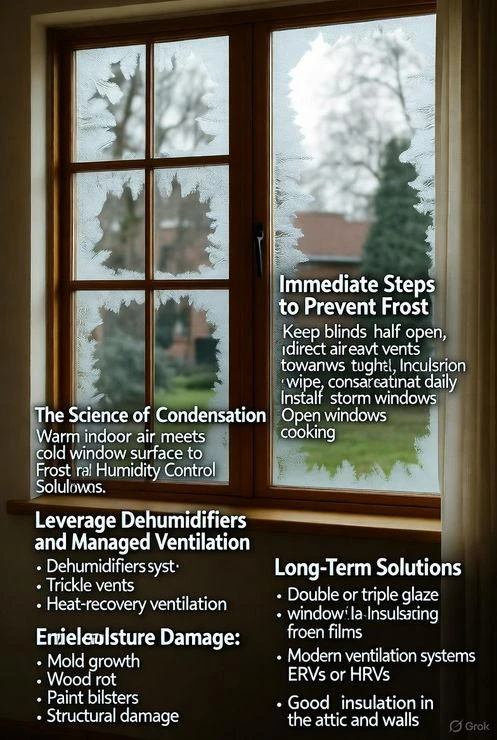
There are not many sights more unwelcome than waking up to ice on the inside of windows—a thin, sparkling layer that quietly portends deeper problems beneath the surface. The physics at play here is not complicated, but it is often poorly understood. When warm indoor air meets a cold window surface, the air reaches its dew point and is compelled to shed its moisture. When temperatures are cold enough, the moisture will freeze, creating frost crystals in your glass panes.
The offender is usually too much moisture indoors. Everyday activities—boiling pasta, showering, drying clothes indoors, or simply breathing—release moisture. If the moisture doesn't have anywhere to go, it condenses on the coldest surface it can find: your windows.
As the great designer Frank Lloyd Wright once said, "Space is the breath of art," and that same "breath," when trapped in a house without sufficient air exchange, works against comfort and structure.
Here's a quick checklist on how to prevent frost on the inside of house windows:
Keep blinds half open to allow warm air to circulate across glass surfaces.
Direct heat vents or use small fans to blow air at windows to equalize temperature.
Wipe condensation every day with a dry cloth to prevent freezing.
Install storm windows or apply removable films to create an insulating air space.
Open a window slightly for a few minutes during cooking or showering to let humid air escape.
Such little habits make a surprisingly big difference, particularly during cold spells. Even moving a piece of furniture away from a window or wall will allow air to circulate more easily.
If condensation persists, it's time to get serious about controlling moisture. One of the fastest and easiest ways of reducing indoor moisture is to get dehumidifiers for homes. A portable unit in bedrooms or living spaces can successfully regulate relative humidity in no time, keeping it well within the ideal 30–50% range.
Coupling dehumidifiers with managed ventilation—like trickle vents, extract fans in bathrooms, or even heat-recovery systems—can go on to stabilize the level of humidity. It is basically smart condensation management, not allowing moisture to ever get a chance to settle and freeze.
Long-Term Solutions and Window Insulation Techniques
Start by inspecting and improving your window insulation techniques. Double or triple glazes of glass with inert gas fillings dramatically reduce the temperature differences across the window surface. If replacement is not an option, clear insulating films or interior storm panels can be surprisingly effective alternatives.
One of the most effective steps is to maximize your home's air exchange systems. Modern ventilation systems (like ERVs or HRVs) balance the supply of fresh air with moisture control, maintaining steady indoor comfort without initial heat loss. Good insulation in your attic and walls goes a long way. When cold air slips in through the outer walls, it cools the inside surfaces — and that’s when you start seeing condensation and even frost on your windows.
Here are some ways in which moisture can harm your windows:
Mold and mildew growth: Persistent dampness creates a perfect spawning ground for fungi and allergens.
Wood rot and paint blisters: Repeated freezing and thawing break down window frames and sills.
Structural damage: Trapped moisture can seep into insulation, drywall, or subfloors, reducing your home's overall energy efficiency.
When you notice dark streaks, peeling paint, or that musty smell sneaking in, it's time to take frost seriously. Moisture-related damage doesn't only jeopardize comfort—it can compromise both your health and your home's long-term integrity.
Conclusion: Mastering Humidity Control Solutions
To stop window ice, you’ve got to deal with what’s really causing it — too much humidity and not enough airflow. Once you manage both, you’ll keep frost away before it even starts. Keep the air moving, keep the moisture in check, and your windows will stay clear all winter.
FAQ
What is the ideal indoor humidity level in winter to prevent interior window ice?
Keep indoor humidity at 30% to 50%. This prevents condensation and ice on the interior of windows when the weather outside is cold.
How does a ventilation system relate to preventing frost on windows?
Good ventilation removes damp air and introduces drier air, reducing frost and condensation.
Can blocking airflow with heavy curtains cause ice on the inside of the window?
Yes. Thick curtains trap cold air by the glass, which can make frost form.
When should I call a pro to fix condensation?
If moisture keeps coming back or seals look worn, it’s time to bring in a professional. A proper installation can fix insulation and airflow.

Free online quote in minutes — or talk to a project manager today.