Wednesday, 26 February 2025 10:53:00 Author Andrii Chernitskiy
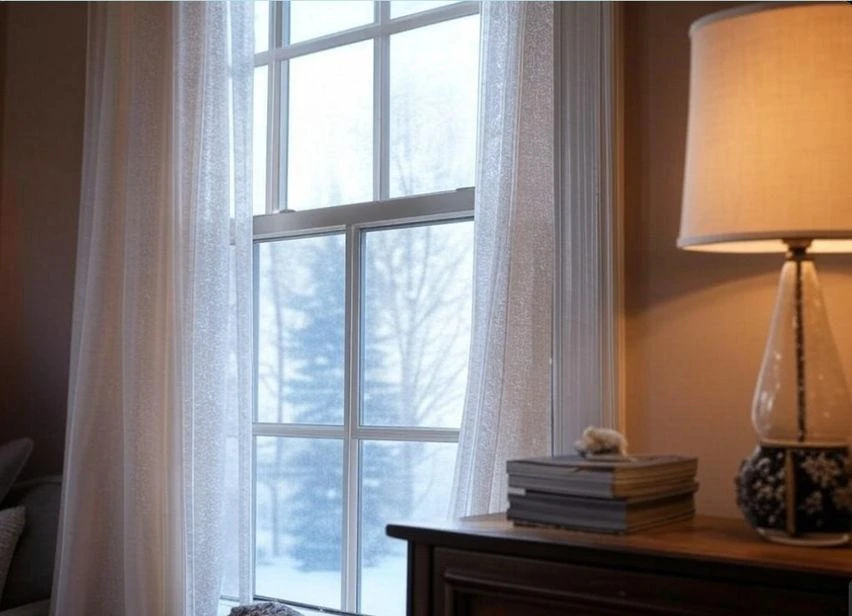
Effective approaches to insulating windows are critical in maintaining the house comfortable all year round. In summer, excessive heat gain due to un-insulated windows makes cooling systems work harder. In winter, poor insulation leads to drafts and heat loss, translating to high energy bills and cold drafts.
Among the most effective ways of insulating upgrades is the replacement windows projects that entail the installation of new, energy-efficient units. If windows cannot be replaced, there are several practical steps that can significantly enhance insulation and comfort.
Cold air drafts through window gaps can render your home inefficient and uncomfortable. The following are effective ways to improve insulation for windows in winter:
Caulking and Weatherstripping: Sealing the window gaps with caulk or weatherstripping prevents cold air leaks. Use silicone-based caulk for exterior gaps and foam or rubber weatherstripping on windows' moving components.
Thermal Curtains: Insulated and heavy curtains trap heat and prevent heat loss. For maximum impact, have them larger than the window frame.
Bubble Wrap Covering: Unconventional but sufficient as a temporary insulation, bubble wrap works well. Cut and trim bubble wrap to the glass size, wet the window with water, and cover it up.
Plastic Film Insulation: Plastic film in a transparent sheet over windows creates a heat-retaining barrier that reduces drafts. It's cheap but effective.
Using a Window Insulation Kit
A window insulation kit is a cheap option for those who strive to add an extra layer of protection against unwanted cold air drafts. A typical kit would include double-sided tape and plastic shrink film. Once the film is put on top of the window frame, when heated up with a hairdryer, the film will seal in airtight. The end effect is that it not only keeps out the cold air but also prevents condensation from accumulating.
Casement Windows and the Difficulty of Insulating Them
Since they open outward, casement windows usually have limited openings for cold air to penetrate. The gaps are plugged by running adhesive-backed weatherstripping along the frame. Another point is ensuring the locking device is activated to maximize the airtight seal. A wonderful alternative is adding storm panels as an additional insulator, which reduces winter heat loss and excess summer heat gain.
Sliding Window Insulation Methods
A sliding window has moving sashes and is sure to be drafty along the tracks. Foam strips or draft stoppers plug these openings and minimize air leaks. A highly effective technique is the use of removable plexiglass sheets or insulated panels during severe weather. For added insulation, homeowners can use thick curtains or cellular shades, which act as thermal barriers by slowing heat transfer.
As insulation for windows in winter inhibits heat loss, summer insulation prevents gain from unwanted heat. Perhaps the best strategy is window reflective film usage. Shading devices that work outdoors such as awnings, shutters, or outside blinds block direct sun to heat up glass. Indoor-insulated blinds and cellular shades introduce another thermal shield, cooling interiors without excessively stressing air conditioners.
Conclusion
Tactics for insulating windows in winter and summer can significantly contribute to increased home comfort and energy efficiency. Whether one utilizes easy weatherstripping techniques, an insulation kit, or insulating blinds, all these are excellent ways of maintaining an optimum indoor climate. Through the appropriate selection of insulation, homeowners can reduce energy bills and live more comfortably year-round.

Free online quote in minutes — or talk to a project manager today.