Thursday, 28 August 2025 11:07:10 Author Andrii Chernitskiy
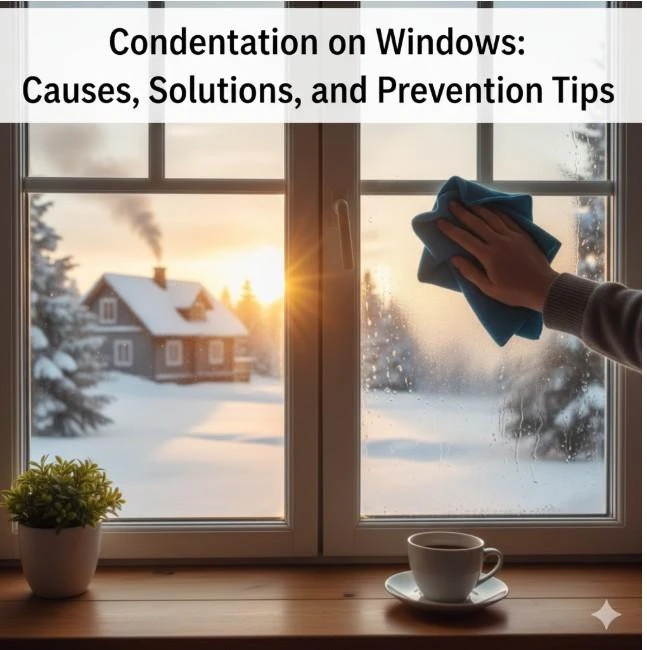
Condensation on windows is one of the frustrating household issues. You wake up on a cold winter morning and open the curtains to find glass panes veiled in mist or water droplets. Although it may seem harmless at first, this water can lead to mold growth, rot out window frames, and even reduce the life of your windows if left unchecked.
The truth is, window condensation is one of the most common problems homeowners face, particularly in colder climates or during periods of seasonal transition. This tutorial covers why it forms and, most importantly, how to fix it.
To make sense of the problem, it's helpful to begin with the science. Condensation happens when moist, warm indoor air meets a chilled surface, like a pane of glass. The water in the air condenses and forms liquid water droplets, resulting in your window fogging or dripping. It is this reason that so many people wonder, “Why is there water on my windows in the winter months?”.
Not all condensation is the same. External condensation on the outer surface of the glass is generally harmless and even comforting in the sense that your windows are properly insulated. Internal condensation presents a different picture and manifests within the home, indicating high humidity or poor ventilation. It is more of a concern as it leads to damage and health problems right away.
For most homeowners, the greatest problem is condensation on the inside of windows, especially during winter. It happens when warm indoor air cannot get out and condenses on the room's chilliest surface—the glass. Underlying the difference between internal and external condensation is the key step towards solving the problem effectively.
Condensation may cause a chain of problems in your house if left unaddressed.
Mildew and Mold Development
Continuous dampness leads to mold spores growing. This not only destroys walls, sills, and curtains but also pollutes indoor air and affects wellness.
Frame and Wall Degradation
Wooden frames become swollen, warped, or rotted upon repeated exposure to moisture. Even modern vinyl or aluminum frames corrode or stain.
Reduced Visibility
Continuous fogging makes windows seem dirty, blocks natural light, and diminishes the elegance of large glass features such as bay windows.
Double glazing condensation in extreme instances due to moisture trapped between glass panes often signifies seal failure. This typically requires professional repair or window replacement. Owners need to seriously consider window moisture problems not merely for aesthetic purposes but also for preserving long-term property value.
When condensation appears suddenly, it’s natural to wonder how to address it immediately. If you’ve asked yourself how to stop condensation on windows, the good news is that there are a few quick strategies that bring relief. The most effective short-term approach is to improve air circulation inside the house. Opening a window, even for just a few minutes, allows moisture-laden air to escape and reduces fogging on the glass.
Another reliable method is humidity prevention by the use of dehumidifiers. These machines extract surplus dampness from the air, leaving it in a healthier balance. Homeowners are also taught that the running of exhaust fans in kitchens and bathrooms prevents everyday activities, like cooking and showering, from causing too much moisture within the home. Even little things like not closing curtains and blinds during sunny days allow warm air to pass against the glass, not allowing the formation of fog.
Dry wiping the glass with microfiber can also prevent water from settling on frames and sills for short-term window fogging solutions. These fixes are not meant to be a long-term solution to the actual problem, but can protect the home before long-term measures take place.
To stop moisture from coming back, you need to get rid of the things that cause it. In short, condensation happens due to excess indoor humidity, and the surfaces are cold enough to draw in water droplets. This implies that the quality of the air and the windows needs to be better.
The best thing to do is to replace the insulation. Adding a second or third layer of glass makes the surfaces warmer and less likely to have condensation on them. New windows also have unique coatings and gas-filled panes that help keep moisture from building up.
If your dwelling has even older windows, window replacement can be well worth the expense when condensation is heavy and persistent.
Ventilation is another key cause. A ventilated home controls humidity naturally, preventing moisture from accumulating indoors. Using extractor fans in the kitchen and bathroom, installing trickle vents, or having a whole-house ventilation system are all good ways to ensure air moves around. All these, done over time, not only prevent condensation but also make for a healthier home. Learning how to prevent condensation on windows requires attention to insulation, ventilation, and managing daily moisture, too.
While outside condensation is usually not a problem, condensation on the inside is more problematic because it occurs within the living space. Condensation on the inside of windows most often occurs in winter months, when the temperature difference between indoors and outdoors is the greatest. When the air inside is heated, it stores more moisture, which rapidly condenses on glass surfaces when the temperature drops.
What is the solution? Maintaining indoor humidity levels through the use of a hygrometer and aiming for well-balanced readings of 30–50% will do a lot to help. Coupled with good ventilation and enhanced glazing, these steps ensure that winter does not involve constant problems with wet, misted glass.
Handling condensation is about balancing quick fixes with permanent solutions. Ventilation, dehumidifiers, and open curtains are quick fixes that will manage day-to-day moisture. Over the years, more permanent measures such as better insulation, new glazing, and humidity-controlled levels will keep the issue at bay.
Investment in quality windows also pays dividends. The newer models not only resist condensation but also provide improved energy efficiency and comfort. Where glass seals have failed or moisture becomes trapped between panes, professional help and possible replacement of the windows can be a possibility.
Taking action, you can prevent condensation on windows, safeguard your house against damage, and have clear, dry glass all year round.

Free online quote in minutes — or talk to a project manager today.