Thursday, 20 October 2022 04:20:30 Author Andrii Chernitskiy
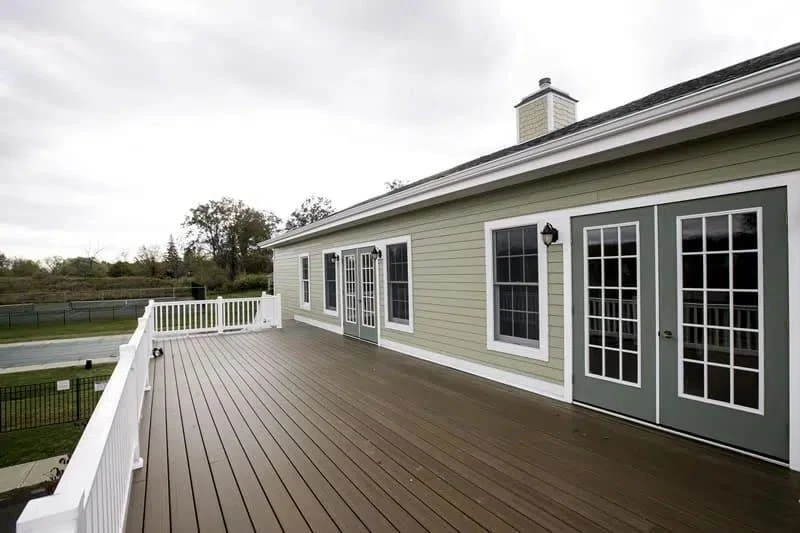
We install both cedar and fiber cement siding around Greater Boston, and homeowners are often surprised how close the two can look from the street. The real differences show up later: in maintenance, in how each handles water, fire and pests, and in what you spend over the next twenty years. Here is the honest comparison.
Cedar is the real thing: visible grain, slight variation board to board, and the option to let white cedar shingles weather to that silver-gray Cape Cod look. Red cedar shingles and wood clapboards are usually stained or painted.
Fiber cement copies wood very well. Lap boards, shakes and board-and-batten all have embossed grain or a smooth finish, and from the sidewalk most people can't tell the difference. Up close, it's more uniform than wood, which some owners prefer and others don't.
This is the biggest difference. Cedar needs its finish renewed, typically every three to five years for a semi-transparent stain, somewhat longer for solid stain or paint. Skip it and the wood dries, cups, checks and starts to hold water. North walls and areas near the ground also grow mildew in our damp summers.
Fiber cement with a factory finish needs a rinse now and then and a check of the caulked joints. A painted fiber cement wall still gets repainted eventually, but far less often than wood.
Cedar naturally resists rot and insects better than most woods, but it isn't immune. Water trapped behind trim, at the bottom course, or where gutters overflow will eventually rot it, and woodpeckers and carpenter bees are a real nuisance on cedar in Massachusetts.
Fiber cement doesn't rot and insects ignore it. It does need installing to the manufacturer's rules: proper clearance above the ground and the roof line, sealed cut edges, and correct flashing. Most fiber cement failures we see are installation shortcuts, not material problems.
Fiber cement is noncombustible. Cedar burns, though fire-retardant-treated cedar is available. If your house is close to the neighbors, as it is in many older Boston-area neighborhoods, this deserves weight.
Fiber cement is heavy and has to be cut with dust-control equipment, because cutting it releases silica dust. That is a job for an experienced crew, not a reason to avoid the product. The walls of a normal house carry it without any structural changes. Cedar is light and easy to work, but it has to be back-primed or installed over a rain-screen gap so it can dry.
Real cedar has become expensive, and good clear grades are hard to get. Fiber cement usually costs less to buy and far less to maintain. Over twenty years, the stain and paint cycles on cedar often add up to more than the difference in installation price. You can see current installed prices for both on our siding pages.
If you love the cedar look but not the upkeep, look at polymer shakes such as CertainTeed Cedar Impressions, or composite clapboards such as Everlast. They give you a wood look with almost no maintenance, at a different price point.
For most Massachusetts homes we recommend fiber cement. It holds up to our winters, needs little care and resists fire. We still love cedar on the right house, especially historic homes and shingle-style designs where real wood is part of the character, as long as the owner knows it comes with a stain schedule. Either way, all our siding installations carry a 15-year workmanship warranty. If you'd like to see both side by side, we bring samples to the free consultation.

Free online quote in minutes — or talk to a project manager today.