Friday, 3 October 2025 09:14:55 Author Andrii Chernitskiy
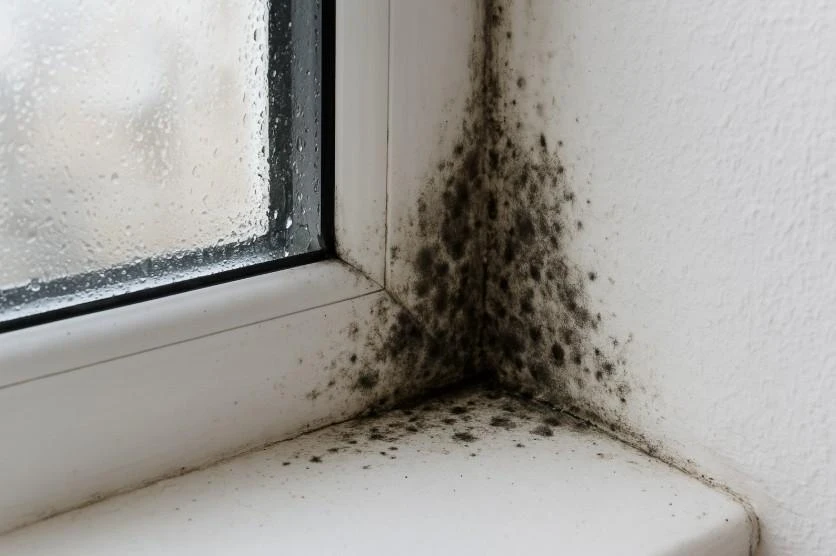
Black mould on windows is not just a grimy stain; it is a silent enemy that will ruin your house and invite germs and illness. The black marks that run along sills and frames release spores into the atmosphere, which create allergies, coughing, and other respiratory problems. Although washing is easy enough to concern yourself with, removal is only half the battle. If the cause is not cured, the mould typically grows even more. Thus, expert guidance on cleaning black mould on windows and eliminating mould from windows for the long term allows homeowners to safeguard their home and health.
Having a knowledge of how mould grows is vital so it can be treated properly. Causes of mould on a window are typically moisture accumulation, poor ventilation, and weakened seals. Condensation on windows occurs when warm air inside comes into contact with cold glass surfaces, creating wet conditions that cause mould. Certain windows, such as bay windows and picture windows, are more prone to it as their large panels can retain more water. Faulty seals or broken caulking on casement windows also allow water entry, leading to additional mould growth. Knowing about such causes can help avoid re-infestation.
The health risks of black mould should be taken into consideration. Long-term exposure does damage to the respiratory system, aggravates asthma, and triggers allergic responses. It is particularly hazardous to young children, the older population, and those who have pre-existing conditions. Short-term exposure is also capable of inducing sneezing, coughing, skin and eye irritation. It is for this reason that immediate window mould removal is necessary—not only for the appearance of your house but for the health of its inhabitants.
Tools & Solutions:
Ventilate windows, remove curtains or blinds, and cover local surfaces.
Spray vinegar, bleach solution, or store cleaner on the problem areas and let it stand for 10–15 minutes to penetrate the mould.
Gently scrub window frames to remove mould from the surface.
Safety Note: Wear gloves, a mask, and eye protection at all times. Never mix cleaning chemicals such as bleach and ammonia, which will produce poisonous fumes. Proper ventilation is essential for this process.
These procedures are the best way to clean mould properly and completely remove mould from windows.
Cleaning removes visible mould but doesn't address the circumstances under which mould develops. Chronic condensation, poor ventilation, or faulty window seals in the houses are likely to suffer from the problem recurring. Mould prevention for windows is thus a necessity. Failure to address the source of moisture forces the owners to continually have their windows cleaned out for mould, a situation that can be costly and stressful. That is the truth that has to be established as the starting point towards a lasting solution.
Prevention Measures to Avoid Mould from Returning
Ventilation and moisture control should be put in place to avoid mould growth. Venting the rooms from time to time, like in the kitchen, laundry, and bathroom, will reduce the humidity and limit mould growth. A working exhaust fan or dehumidifier will create dry conditions. Inspection of window seals and caulking around bay windows, casement windows, and picture windows will close leaks, preventing mould. Also, treating windows with professional mould-prevention sprays or paints can create a barrier against recurrence. By treating the surfaces and the environment around them, householders are able to end the mould growth cycle.
For certain houses, cleaning and prevention might not be enough. Old windows typically need a window replacement solution. New windows with better efficiency not only keep out drafts but also protect from extra moisture. Replacing the top-rated bay windows, casement windows, or picture windows provides long-term insulation from black mould on windows, reducing constant cleaning and maintaining indoor air quality.
DIY is not always sufficient. For minor infestations, it can be great, but for recurring or widespread mould problems, it is better to opt for professional inspection. Professionals can identify hidden sources of moisture, recommend long-term window replacement, and provide long-term solutions. Using professional services gives homeowners peace of mind, a long-term solution, and typically comes with a warranty for added assurance.
Always keep in mind that black mould on windows is a property and a health concern, and it should be treated as soon as possible.

Free online quote in minutes — or talk to a project manager today.