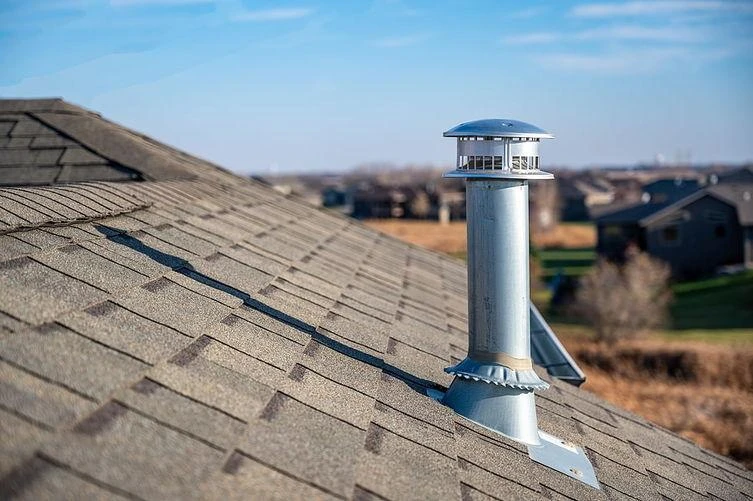
Most homeowners focus on how long their roof lasts and how it looks. Yet smaller components keep the whole structure working properly. Roof vents are often overlooked, but they directly affect the stability of your house by maintaining your attic climate. Knowing how many vents you need and how they work helps protect your entire home.
A healthy attic relies on steady airflow to prevent heat buildup, trapped moisture, and poor indoor air quality. Poor airflow causes discomfort inside your home and can even damage your roofing in Framingham over time.
No single formula determines the right number of vents for every house. The decision depends on several criteria specific to your roof. Inadequate ventilation leads to expensive repairs down the road. Learning about vent types helps you make the right choice so your roof stays efficient all year.
Vents sit out of sight, but they protect your home from major problems. Here is what roof vents do:
Moisture Management: High humidity causes mold and mildew. Roof vents exhaust damp air to prevent moisture buildup.
Temperature Control: Vents moderate attic temperatures during severe heat or cold. Keeping attic temperatures balanced prevents roof damage and lowers energy bills.
Roof Lifespan: Proper airflow shields your roof from environmental hazards, helping materials last longer.
Air Quality: Pollutants, dust, and allergens accumulate in an unventilated attic. The right vents allow fresh air to flow freely into your living spaces.
Ridge Vents:
Best for slanted or pitched roofs.
Installed in a continuous line along the peak, allowing air to circulate evenly along the full ridge line.
Fits cleanly on traditional roof styles like gabled roofs.
Gable Vents:
Designed for houses with gable ends or attics attached to outer gable walls.
Expels hot air through openings placed on gable end walls.
Fits the triangular shape of gabled roofs and works well on homes with multiple gables or dormers.
Soffit Vents:
Installed beneath roof eaves or overhangs.
Tucked out of sight under eaves to draw intake air into the attic, working with other vent types to maximize total airflow.
Blends with many roof styles, including hip and flat roofs.
Turbine Vents:
Designed for windy areas or homes with limited ventilation options.
Uses wind-driven spinning tops to pull hot air out of the attic space.
Fits several roof profiles, including sloped and gabled structures.
Different vent designs meet different architectural needs. Knowing how each vent works helps you select the correct style and quantity for effective airflow. Roof vents are not decorative additions, they are necessary to keep your home healthy. For more details, contact the UBrothers crew of experts.

Ask AI about this article:
Towns we serve & Cases45 towns
Every town below has its own page: local projects, typical prices and the crew that works there.
Free online quote in minutes, or talk to a project manager today.