Roofing in 2025 is no longer just about keeping the rain out. It’s now a high-tech part of energy efficiency, weather adaptation, and even internet connectivity. Homeowners and roofing contractors are adopting technology that extends roof life, reduces environmental impact, and delivers long-term advantages. Roofs are greener and smarter, whether through advanced materials or built-in intelligence.
The latest roofing technology blends material science, sustainable ideas, and digital tools. Here are a few innovations changing how roofs are built and maintained:
3D printing technology
3D printing was once used for small models. Now it creates precise, custom roofing pieces with minimal waste.
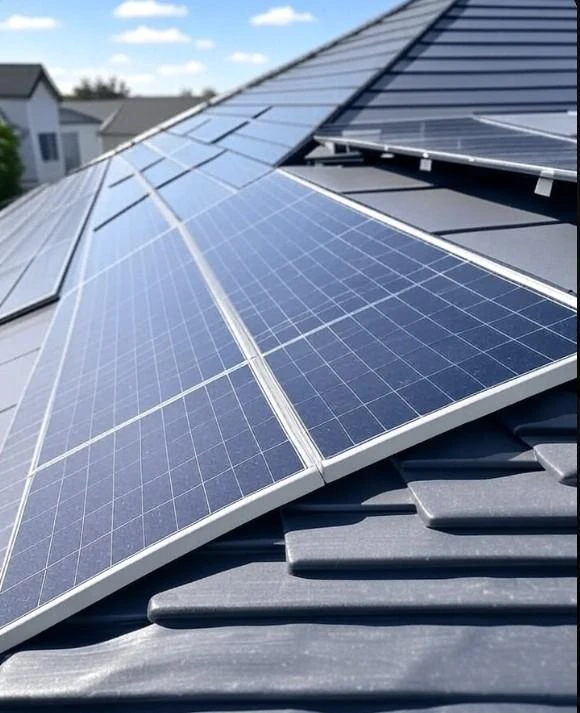
Solar roof integration
Roofing solutions now work seamlessly with solar panels, whether as solar shingles or full systems. They look sleek and are highly energy-efficient.
Smart roofs
Smart roofs use IoT connections and sensors to monitor temperature, humidity, and structural health in real time. This lets homeowners catch issues early.
Advanced roofing software
Virtual planning and augmented reality tools let you see exactly how your roof will perform, helping you and your contractor make informed decisions.
Cool roofing solutions are gaining traction because they save electricity. These roofs use materials that reflect sunlight and release heat quickly, keeping surfaces cooler than traditional materials. That can cut cooling costs and make your house more comfortable.
The main options include reflective coatings, modified bitumen, TPO membranes, and specially designed asphalt shingles. Cool roofs are a smart choice for the future because they reduce heat islands and climate stress in hot climates and urban areas.
New roofing technology can boost your home’s performance and value, but you need to plan ahead. Consider how these technologies fit your local climate and your home’s structure. Homes in sunny areas benefit most from solar-integrated systems, while cold or stormy regions should prioritize durability and smart monitoring first.
Cost is another factor. New technology costs more upfront, but it pays off through lower maintenance and energy bills over time. Also think about installation requirements. Some modern systems can’t be added to an existing roof or need special installation.
Talk with experienced roofers who keep up with new systems. They’ll help you determine feasibility, choose the right product, and make sure the installation meets performance and code standards.
New roofing options in 2025-26 include smart monitoring systems, solar integration, 3D printing, and eco-friendly materials that last a long time and work well. They improve performance and meet the rising need for energy-efficient, low-maintenance roofs.
Smart technology meets sustainable design and modern engineering. The future of roofing isn’t just about covering, whether you’re rebuilding or building from scratch. It’s about smarter living, saving energy, and environmental responsibility.

Ask AI about this article:
Towns we serve & Cases45 towns
Every town below has its own page: local projects, typical prices and the crew that works there.
Free online quote in minutes, or talk to a project manager today.